


Library

Cancer Type
ALL
CERVICAL CANCER
OVARIAN CANCER
LUNG CANCER
LIVER CANCER
CHOLANGIOCARCINOMA
LYMPHOMA
LEUKEMIA
MYELOMA
GLIOMA
COLORECTAL CANCER
ESOPHAGEAL CANCER
GASTRIC CANCER
BREAST CANCER
THYROID CANCER
HEAD AND NECK-MAXILLOFACIAL TUMORS
PROSTATE CANCER
Key words
ALL
如何预防肿瘤
关于肿瘤外科手术治疗
关于肿瘤放射治疗
抗肿瘤药物治疗的常见问题
肿瘤诊疗前沿发现
康复护理指南
更多常见问题

When Your Health Report Shows 'Nodules' or 'Polyps—— Should You Be Worried?
The peak season for annual physical examinations has arrived. Many friends, upon receiving their test reports, notice words like “nodule” or “polyp,” and anxiety can be triggered instantly. Will polyps gradually turn into cancer? Once a nodule is found, should one immediately consult a doctor for removal? Can existing polyps and nodules disappear on their own? These questions have become hot topics online.Don’t be afraid. Let’s first understand them.What is a nodule?A nodule is a round protrusion on the surface or within the tissues of a living organism[1]. They are commonly found on the skin surface but can also appear in organs such as the lungs, breast, and thyroid. Nodules on the body surface can usually be detected through visual inspection or palpation by a clinical doctor, whereas nodules inside organs require medical imaging for detection. With the improvement of diagnostic equipment accuracy, the detection rate of various nodules has been increasing. Nodules are not inherently frightening; the key is their type. Most nodules are benign and only require observation. However, certain signals may indicate that a nodule is precancerous or an early-stage cancer, which should be taken seriously.What is a polyp?Colon polyps, gallbladder polyps, cervical polyps… many organs in the human body may develop polyps. Most polyps grow inconspicuously and can be detected through endoscopy and other examinations[2]. Polyps are abnormal growths protruding from the mucosal surface and include various types, such as hyperplastic polyps, inflammatory polyps, and hamartomatous polyps. Some polyps are caused by localized mucosal inflammation, while others are due to genetic mutations and may be related to heredity, dietary habits, and lifestyle.Does your physical examination report include these types of nodules and polyps?When we receive a test report indicating “nodule” or “polyp,” what should we pay attention to? Is further examination or treatment necessary? Here is a detailed explanation of some common nodules and polyps you may be concerned about.Thyroid NodulesUltrasound examination of the thyroid in the neck is a routine item in physical exams and is the main method for detecting thyroid nodules. In 2020, about 60% of adults were found to have one or more thyroid nodules, of which approximately 95% were benign and only about 5% were confirmed as malignant[3].Although the probability of a malignant diagnosis is low, it is essential to rule out the possibility of malignancy in thyroid nodules. Clinically, the TI-RADS (Thyroid Imaging Reporting and Data System) is commonly used to classify thyroid nodules according to their benign or malignant potential[3][4].According to the “2020 Chinese Guidelines for Risk Stratification of Thyroid Nodules by Ultrasound: C-TIRADS” published in the Chinese Journal of Ultrasound Imaging, nodules graded 4–6 are recommended to follow the clinical doctor’s advice for targeted measures, including thyroid function tests, fine-needle aspiration, and further examination and treatment. Nodules graded 3 or below generally only require regular follow-up to observe changes.*Ultrasound features suggesting malignancy include: markedly hypoechoic, microcalcifications, blurred/irregular margins, or extrathyroidal extension.Breast NodulesBreast nodules can be benign or malignant. Benign nodules include fibrocystic changes, breast cysts, and fibroadenomas, while malignant nodules may indicate breast cancer.Clinically, breast screening is performed via ultrasound or mammography, with the BI-RADS (Breast Imaging Reporting and Data System) used for evaluation. This system classifies the malignancy risk of breast nodules into six levels based on shape, margin, blood flow signals, and the ratio of vertical to horizontal dimensions; the higher the level, the greater the likelihood of malignancy[5].As a common condition in women, breast nodules require attention. Female friends are advised to avoid staying up late, manage stress, maintain a low-fat, high-fiber diet, and exercise appropriately.*Ultrasound features suggesting malignancy include: 1. Irregular shape; 2. Not parallel to the skin, vertical-to-horizontal ratio >1 (i.e., height > width); 3. Indistinct margins (blurred, microlobulated, angular, or spiculated); 4. Hyperechoic halo around the nodule; 5. Posterior shadow with irregular or unclear edges; 6. Changes in surrounding tissues (Cooper’s ligaments straightened or thickened, normal structure layering interrupted or lost, skin thickened or retracted); 7. Microcalcifications (<0.5mm); 8. Internal blood flow detected.*Lung NodulesThe causes of lung nodules are not entirely clear; they may result from scar tissue following trauma, lesions caused by infection, or malignant tumors. According to the NCCN guidelines, recommendations are given based on nodule size and density[6].Besides density and size, features such as nodule shape, location, number, and growth rate can help doctors analyze them comprehensively. Additionally, the patient’s age, occupation, long-term smoking history, family history of lung cancer, and chronic lung diseases are also important for distinguishing benign from malignant nodules.Gallbladder PolypsGallbladder polyps are classified as benign or malignant, with the vast majority being benign. Benign polyps can be non-neoplastic or neoplastic, among which gallbladder adenomas are high-risk factors for gallbladder cancer, and their size correlates directly with malignancy risk. • Polyps >10mm have a higher risk of malignancy; surgical removal and pathological examination are recommended. • Patients aged >50 years or with concurrent gallstones should receive clinical surgical intervention regardless of polyp size[7][8]. • Polyps 6–9mm should undergo ultrasound follow-up every 6 months for 5 years[8].Intestinal PolypsIntestinal polyps include several types, mainly inflammatory polyps, hyperplastic polyps, and adenomas. Inflammatory, lymphoid, and hyperplastic polyps have a low risk of malignancy, whereas adenomatous polyps are the source of the majority of colorectal cancers. Studies indicate that 50%–70% of adenomas may develop into colorectal cancer, with cancer risk increasing for larger polyps. Generally, colorectal polyps >20mm have a malignancy rate of 10%[9][10].Familial adenomatous polyposis (FAP) is the most common polyp condition. Without timely screening and treatment, about three-quarters of patients develop cancer before age 35, and the risk remains high after 50[9].Therefore, regular colonoscopy examinations are essential. A diet rich in vegetables and fruits, and avoiding smoking and alcohol, is recommended. Once intestinal polyps are detected, prompt medical consultation and removal are advised. Due to the tendency of polyps to recur, even after removal, regular follow-up is necessary.References[1] http://www.a-hospital.com/w/%e7%bb%93%e8%8a%82[2] http://www.a-hospital.com/w/%E6%81%AF%E8%82%89[3] Grani G, Sponziello M, Pecce V, Ramundo V, Durante C. Contemporary Thyroid Nodule Evaluation and Management. J Clin Endocrinol Metab. 2020 Sep 1;105(9):2869–83. doi: 10.1210/clinem/dgaa322. PMID: 32491169; PMCID: PMC7365695.[4] Chen X, Chen S, Lü G. Diagnostic value of ultrasound TI-RADS classification for thyroid nodules. Chin J Ultrasound Med, 2012, 28(12):1066-1069.[5] Chinese Women’s Breast Cancer Screening Standard (T/CPMA 014-2020)[J/OL]. Chin J Cancer Prev Treat:1-10[2021-02-18].[6] NCCN Clinical Practice Guidelines: Lung Cancer Screening 2020.1[7] Kalbi D P, Bapatla A, Chaudhary A J, et al. (July 02, 2021) Surveillance of Gallbladder Polyps: A Literature Review. Cureus 13(7): e16113. doi:10.7759/cureus.16113[8] CSCO Gallbladder Cancer 2020 Guidelines[9] Morson B C. Genesis of colorectal cancer. Clin Gastroenterol. 1976, 5: 505-525.[10] Wu H, Li P. Analysis of 1032 cases of colorectal polyps treatment. Chin J Dig, 2005, 25: 374Know more
During the Pandemic, What Should Radiotherapy Patients Do?
Since the beginning of the pandemic, we have received many inquiries from cancer patients, and a significant number of them concern radiation therapy. On May 10, Dr. Zhao Ruping, Associate Chief Physician of the Radiation Oncology Department at Jiahui International Cancer Center, was invited to speak in the “Together Through the Pandemic” Jiahui Health Live Broadcast 2.0. She delivered an online talk on “How Cancer Patients Undergoing Radiotherapy Can Safely Navigate This Special Period,” which received enthusiastic feedback from viewers.For those who missed the session, we’ve summarized some of the key points and insightful answers below.Full of practical information that will take about 15 minutes to read.▼Q1: Is radiation therapy only for patients who can’t undergo surgery? What are its indications?Dr. Zhao Ruping:Many patients and their families have misconceptions about the scope of radiation therapy. In fact, radiotherapy has a very broad range of applications — it can serve as a curative or adjuvant treatment for many cancers, or as a palliative therapy for patients with advanced or metastatic disease to help relieve symptoms and improve quality of life.1. Curative Radiotherapy: For some cancers, radiotherapy can be the main treatment and even achieve a cure — for example, nasopharyngeal carcinoma and tonsil cancer.For many localized cancers that cannot be surgically removed, such as esophageal cancer, lung cancer, or laryngeal cancer, radiotherapy can provide curative effects comparable to surgery. Compared with surgery, radiotherapy also has the advantage of preserving organ function. For instance, in advanced laryngeal cancer, surgery would require complete removal of the larynx, leading to the loss of speech. In contrast, radiotherapy can preserve the voice and maintain patients’ social abilities. With advances in radiotherapy technology, it is now used for early-stage cancers that were previously treated only by surgery. For example, stereotactic body radiotherapy (SBRT) for early-stage lung cancer can achieve similar results to surgery.2. Neoadjuvant and Adjuvant Radiotherapy: Based on treatment timing, radiotherapy given before surgery is called neoadjuvant radiotherapy, while treatment after surgery is called adjuvant radiotherapy.· Neoadjuvant radiotherapy is mainly used in two situations: 1. When a tumor is difficult to remove surgically, preoperative radiotherapy can shrink it to make surgery possible; 2. For locally advanced tumors, preoperative radiotherapy can lower the risk of recurrence and metastasis. This approach — combined chemoradiotherapy — is now the standard treatment for cancers such as esophageal and rectal cancer.· Adjuvant radiotherapy is often necessary even when a tumor has been surgically removed. Some patients wonder, “If the surgeon says it’s completely removed, why do I still need radiotherapy?” This is because cancer grows infiltratively — imaging and surgery remove the “body” of the tumor, but microscopic “arms” may remain. Radiotherapy eliminates these residual cancer cells, reducing the chance of recurrence. Common cancers requiring postoperative radiotherapy include breast cancer, head and neck cancers, rectal cancer without prior radiotherapy, and soft tissue sarcoma.3. Palliative Radiotherapy: For patients with advanced disease who experience symptoms such as pain, bleeding, obstruction, or headache from brain metastases, radiotherapy can provide effective relief and improve quality of life. For example, pain relief from radiotherapy can reach an effectiveness rate of over 70%. As systemic therapies expand — including chemotherapy, immunotherapy, and targeted therapy — radiotherapy can also play a synergistic role. When localized progression occurs during drug treatment, adding radiotherapy can help control it and extend the effectiveness of systemic therapy. In some stage IV cancers (such as small cell lung cancer or nasopharyngeal carcinoma), adding radiotherapy to the primary site after systemic therapy has been shown to prolong survival.4. Preventive Radiotherapy: For example, in small cell lung cancer, the risk of brain metastasis is about 70%, but prophylactic cranial irradiation (PCI) can significantly reduce that risk.Q2: Will interrupting radiotherapy due to the pandemic affect treatment outcomes?Dr. Zhao Ruping:Cancer treatment is a continuous process, and interruptions in radiotherapy can reduce its effectiveness. Therefore, patients should try to maintain uninterrupted treatment whenever possible.The effects of radiotherapy are often described using the “5 R’s” of radiobiology — one of which refers to the accelerated repopulation of tumor cells after radiation exposure. In other words, once exposed to radiation, surviving tumor cells may start to grow faster to compensate, making continuous treatment crucial. Interruptions can lead to treatment failure, especially in fast-growing cancers such as esophageal cancer. For cancers like breast cancer, radiotherapy should ideally start within six months after surgery; delays can reduce its therapeutic benefit.However, for some cancers such as rectal cancer, both preoperative and postoperative radiotherapy are options. During special circumstances, chemotherapy can be performed first, since it usually requires hospital visits only once every three weeks, and radiotherapy can be resumed once conditions allow — minimizing the overall impact.If a patient cannot attend treatment as scheduled due to public health restrictions, they should consult their oncologist as soon as possible or seek online medical advice. When radiotherapy must be postponed, doctors may adjust the total dose or number of sessions to maintain efficacy. The exact adjustment depends on many factors, such as tumor type, interruption length, and normal tissue tolerance. Patients are encouraged to stay in close contact with their treatment team, but there is no need to panic.Q3: Can follow-up appointments after radiotherapy be delayed?Dr. Zhao Ruping:After completing a full treatment plan, regular follow-ups are crucial for monitoring disease status. • For patients who have completed curative or adjuvant radiotherapy and whose tumors are under control, follow-up visits can be appropriately delayed. • For those who received palliative radiotherapy and whose symptoms (such as pain or bleeding) are now under control, follow-up can also be postponed moderately. • However, patients who underwent neoadjuvant radiotherapy — that is, radiotherapy before surgery — usually have an optimal time window for surgery or the next stage of treatment. For example, rectal cancer patients typically need surgery 6–8 weeks after completing chemoradiotherapy. For these patients, timely follow-up is important so doctors can plan subsequent steps based on imaging and test results.Q4: How should patients adjust their diet while staying at home during radiotherapy?Dr. Zhao Ruping:With the advancement of precision radiotherapy, treatment-related side effects have been greatly reduced compared to the past.However, radiotherapy remains a high-intensity anti-cancer treatment, and both the absorption of necrotic tumor tissue and the repair of normal tissue require adequate energy and nutrients. Patients are advised to: eat plenty of fresh vegetables and fruits to supplement vitamins and trace elements, consume high-protein foods such as eggs, milk, and lean meat, and avoid overly bland diets, but also stay away from spicy or pickled foods.During pandemic restrictions, eggs and milk are ideal foods to prioritize — they are easy to store and rich in high-quality protein. I often recommend my patients try boiled eggs dipped in light soy sauce, which eliminates any strong odor while providing both protein and sodium. Another practical tip: “Drink milk like water.” Many of my patients who initially felt weak reported noticeable improvement within just 3–4 days after increasing their milk intake.Q5: There are many radiotherapy techniques, such as SBRT, IGRT, and IMRT. Does a newer technique always mean better results?Dr. Zhao Ruping:In the past decade, radiotherapy technology has advanced rapidly. Radiotherapy has evolved from the 2D era (simple opposing fields) to 3D-CRT (three-dimensional conformal radiotherapy), and then to IMRT (intensity-modulated radiotherapy), which can adjust the radiation intensity according to the 3D shape of the tumor, resulting in more precise dose distribution. However, IMRT delivers treatment only from fixed angles, which can make treatment time relatively long. Building on IMRT, VMAT (volumetric modulated arc therapy) was developed. This technique allows treatment while the machine rotates, significantly shortening treatment time and is now widely used.SBRT (stereotactic body radiotherapy) delivers a high dose to a small tumor target over a limited number of sessions, achieving effects comparable to surgery.Precise implementation of radiotherapy relies on IGRT (image-guided radiotherapy). At Jiahui International Cancer Center, IGRT uses CBCT (cone-beam CT) and SGRT (surface-guided radiotherapy) before and during every treatment session for real-time monitoring. If a patient moves involuntarily—e.g., coughing beyond a preset threshold—the machine automatically stops until the patient is back in the correct position. If the patient cannot return to the proper position independently, the radiotherapy therapist will reposition them. Our center currently sets the threshold at 3 millimeters, which ensures highly accurate targeting and reduces radiation toxicity.Over my 10+ years of experience in radiotherapy, I have witnessed these technological breakthroughs. Today’s treatments are more effective, with fewer side effects, and patients benefit more. However, conventional radiotherapy still has its place. For example, patients with severe cancer-related pain may move during treatment; pursuing extreme precision in such cases may lead to a “missed target,” so traditional techniques may be more suitable.Q6: What are the common side effects of radiotherapy, and how can they be managed?Dr. Zhao Ruping:Radiotherapy side effects can be divided into general effects—common to most patients, such as fatigue, weakness, loss of appetite, weight loss, local swelling, and pain—and site-specific effects depending on the treated area. Throughout treatment, patients should avoid smoking and alcohol, maintain a balanced diet, get adequate sleep, and avoid heavy physical labor to keep their body in good condition.Here are some common tumor-specific side effects and management strategies:Head and Neck Cancer RadiotherapyDue to the complex anatomy of the head, high doses are often required, increasing the risk of acute and late side effects. 1. Preparation: Quit smoking and alcohol; have a dental check-up, control oral infections, and remove residual roots. Avoid dental extractions for two years post-radiotherapy to reduce the risk of osteoradionecrosis. 2. Common side effects during treatment: • Radiation dermatitis: Skin redness, swelling, heat, itching, and in severe cases, moist desquamation. Protective measures include gentle cleansing with water (no soap), patting dry, wearing soft cotton clothing, avoiding sun exposure, and using alcohol-free lotion or protective sprays. • Radiation-induced mucositis: Redness, ulcers, painful swallowing, hoarseness. Start around the second week of treatment. Recommendations: avoid alcohol, smoking, acidic/spicy foods; maintain oral hygiene; use anesthetic mouth rinses if necessary; nasal irrigation for nasopharyngeal cancer; eat fresh fruits and vegetables for mucosal repair. Symptoms usually improve 2–3 weeks post-treatment. • Xerostomia (dry mouth): Caused by salivary gland damage. Carry water, use herbal teas (e.g., Malva nut, wild chrysanthemum, honeysuckle) to moisten mouth. • Taste changes: Patients may experience altered taste (bitter, sweet, salty, or absent). Continue eating regardless; caregivers should maintain consistent meal seasoning to avoid electrolyte imbalance. 3. Long-term side effects: Temporomandibular joint dysfunction: Limited mouth opening; start jaw exercises early, e.g., biting a modified hot water bottle cork three times daily for 10 minutes. Radiation-induced otitis media: Tinnitus, hearing loss; refer to ENT specialists for professional management.Breast Cancer RadiotherapyMany breast cancer patients can maintain their normal routines, attending outpatient sessions during work breaks. 1. Acute side effects: • Skin reactions: redness, swelling, itching, and mild pain, managed similarly to head and neck skin care. • Pain or tenderness in the breast, especially post-breast-conserving surgery. • Axillary lymph node irradiation may cause swallowing discomfort due to nearby esophageal exposure; cooling herbal teas (Malva nut, honeysuckle, wild chrysanthemum) can help. Jiahui uses hypofractionated radiotherapy (15–16 sessions), significantly reducing side effects, often without additional medication. 2. Long-term toxicity: Left breast irradiation may increase the 10-year risk of coronary heart disease. DIBH (deep inspiration breath-hold) reduces heart exposure by roughly two-thirds compared to free breathing.Lung Cancer RadiotherapyAcute side effects: 1. Radiation pneumonitis: chest tightness, shortness of breath, fever; requires prompt medical attention. 2. Radiation esophagitis: painful swallowing; cooling herbal teas or oral sucralfate may help. 3. Radiation tracheitis: coughing, pain; antitussive syrup may be used.Late side effects: Esophageal stricture, pulmonary fibrosis, heart dysfunction, coronary heart disease. Prevention relies on precise treatment planning; timely management is essential if they occur.Gastrointestinal Tumor RadiotherapyEffects vary by treatment site: 1. Upper abdomen (stomach, pancreas, liver): Acute nausea, vomiting, diarrhea, constipation, or pain. Medications like ondansetron can relieve symptoms. Late complications (rare) include adhesions, strictures, obstruction, and ulcers. 2. Lower abdomen and pelvis: • Common acute effects: nausea, vomiting, diarrhea, constipation. • Radiation proctitis: urgency, incomplete evacuation; probiotics or antidiarrheal agents may help. • Bladder exposure: urinary frequency, urgency, pain; increase fluid intake. • Female patients: vaginal or vulvar inflammation, pain; topical gynecologic medications may be recommended. • Male patients: temporary or lasting sperm damage; discuss fertility preservation before radiotherapy.Jiahui International Cancer Center has a comprehensive radiotherapy side-effect management system. Close collaboration among oncologists, physicists, therapists, and nurses ensures patient safety. Patients experiencing urgent or sudden side effects should contact medical staff immediately for timely intervention.During the current COVID-19 pandemic, cancer patients face extra challenges. Jiahui International Cancer Center continues to maintain rigorous infection control, safely manage inpatient care, and ensure smooth outpatient treatment and follow-up.We encourage patients to comply with government and hospital pandemic guidelines, protect themselves and others, maintain balanced nutrition, exercise moderately, get sufficient sleep, and manage stress and emotions. Keeping the body in its “best state” helps everyone fight both the virus and cancer.Feel free to share this information with patients who may benefit.Know more
Cancer Care During the Pandemic: How to Access Treatment and Manage Diet and Exercise at Home?
Under the resurgence of the COVID-19 pandemic, many regions across the country are actively engaged in epidemic prevention and control. During this period, many cancer patients have been under home isolation, and their treatment progress has been affected. On April 15, Dr. Jiang Jingwei, Associate Director of the Department of Medical Oncology at Jiahui International Cancer Center in Shanghai, was invited to the “Together Through the Pandemic” Jiahui Health Live Broadcast. He conducted a video session titled “Fighting Cancer Without Interruption – What Should Cancer Patients Pay Attention to During Epidemic Prevention?”, offering detailed explanations on topics such as epidemic prevention methods for special populations, medication, treatment, diet, and exercise. The session was well-received by patients and their families alike.For those who missed the live broadcast, don’t worry! The editor has summarized some key points and selected highlights from Dr. Jiang’s talk in this article, hoping it will be helpful to everyone.Q1:With the pandemic recurring, can cancer patients receive the COVID-19 vaccine or booster shots?Dr. Jiang Jingwei:This is a question many cancer patients are very concerned about. Based on the latest published literature and clinical research, cancer patients are not contraindicated for COVID-19 vaccination — in other words, cancer patients can receive the vaccine. However, there are a few important things to note:First, it has been observed that the protective effect of the vaccine in some cancer patients is relatively low, meaning their ability to resist COVID-19 infection is weaker than that of healthy individuals.Second, the vaccination effect in hematologic cancer patients is generally poorer than in solid tumor patients.Although cancer patients can receive the vaccine, it is very important to arrange the appropriate timing for vaccination. In general: • For chemotherapy: it is recommended to avoid vaccination within two weeks before or after chemotherapy. • For immunotherapy: there is currently no evidence of conflict between immunotherapy and COVID-19 vaccines. Patients receiving immune checkpoint inhibitors such as PD-1 or PD-L1 can get vaccinated. • For targeted therapy: it depends on the specific case. Generally, patients taking targeted drugs such as TKI agents for lung cancer or anti-angiogenic targeted drugs can receive the vaccine. However, for those receiving immune-targeted therapy with anti-CD20 monoclonal antibodies (e.g., rituximab), since the drug affects the function of B cells — and thus the vaccine’s efficacy — it is recommended to wait six months after discontinuation before vaccination. • For endocrine therapy: there is no contraindication to COVID-19 vaccination. • For radiotherapy: there is no effect on vaccination. • For CAR-T immunotherapy and bone marrow transplantation: vaccination should be postponed and reconsidered three months after treatment.Q2:Should cancer treatment continue or be suspended during the pandemic?Dr. Jiang Jingwei:Cancer treatment is a continuous process. Under feasible conditions, we recommend that patients strive to avoid treatment interruption. However, in some cases, temporarily delaying treatment and observing disease progression does not affect efficacy. Balancing “epidemic prevention” and “cancer treatment” is not easy, so doctors will analyze and decide based on each patient’s condition and treatment stage.For patients newly diagnosed with advanced cancer whose disease is progressing: active treatment is recommended. Especially for fast-developing cancers such as small-cell lung cancer, delaying treatment even for a month could lead to rapid disease progression and negatively impact prognosis.For patients with severe or acute symptoms: complications such as intestinal obstruction, infection, or bleeding often require urgent treatment. If symptoms worsen progressively, seek medical attention immediately.For patients whose disease is stable (for instance, those who have remained progression-free for more than 6–12 months after chemotherapy or immunotherapy): under the current epidemic situation, short-term (1–3 months) treatment suspension and observation may be acceptable. It is best to consult your oncologist or seek online medical advice to decide whether treatment can be delayed.Q3:To reduce going out, can intravenous medications be switched to oral drugs?Dr. Jiang Jingwei:Some intravenous drugs have oral equivalents, in which case it is acceptable to switch from IV to oral medication. For example, 5-FU (5-fluorouracil) can be replaced by oral capecitabine or S-1 (a compound preparation containing tegafur, gimeracil, and oteracil potassium).If there are no oral alternatives and the patient cannot easily go out, doctors may consider adjusting the treatment plan. For instance, if the original plan was first-line chemotherapy followed by second-line targeted therapy, in special circumstances where the patient cannot receive IV treatment, doctors may temporarily use oral targeted therapy as first-line treatment. Each case should be carefully evaluated, and timely communication with the attending physician is essential.Q4:If follow-up examinations cannot be done on time due to home isolation, what should patients do?Dr. Jiang Jingwei:After completing a treatment plan, doctors usually instruct patients to return for regular follow-ups, which are very important for monitoring disease status. For example, patients who finished chemotherapy less than three months ago should follow up on schedule to assess tumor progression, treatment response, and side effect management. However, for patients whose condition is stable and who usually return every three months, it may be acceptable to postpone follow-up slightly during special periods — but this should be determined by the attending physician. Generally, short delays have little impact.Q5:If cancer patients develop a fever while staying at home, what should they do?Dr. Jiang Jingwei:Fever is common among cancer patients, both from the disease itself and from treatment. The causes vary and must be analyzed comprehensively: 1. Tumor-related fever: usually mild to moderate and not accompanied by severe symptoms; can be managed with oral antipyretics. 2. Drug-related fever: may occur after anti-tumor treatments; generally requires only symptomatic care. 3. Infection-related fever: cancer can lead to secondary infections (e.g., biliary or respiratory), which require anti-infective treatment. 4. COVID-19 infection: can also cause fever. For cancer patients, it’s essential to rule out COVID-19 as the cause. If infection is confirmed, patients should immediately report to local authorities and seek treatment.Most fevers in cancer patients are not related to COVID-19. Once COVID-19 infection is excluded, patients should assess their condition: If fever is mild and doesn’t affect daily life, take antipyretics under medical guidance. If fever is high or accompanied by chills, visit a fever clinic immediately.Q6:What are the dietary recommendations for cancer patients during epidemic control?Dr. Jiang Jingwei:A balanced diet is crucial for cancer patients. Adequate nutrition and maintaining a healthy body weight (neither overweight nor underweight) help strengthen the immune system against cancer.Given the current challenges in food supply, we recommend prioritizing protein-rich foods (eggs, milk, fish, shrimp, soy products) and vitamin C-rich and storable fruits and vegetables (broccoli, carrots, green peppers, cabbage, Chinese cabbage, and kiwifruit). Avoid frying and deep-frying to prevent nutrient loss.Some patients ask whether vitamin C tablets or effervescent tablets can replace fresh fruits and vegetables. If fresh produce is available, natural sources are best. Otherwise, moderate supplementation with vitamin C tablets is acceptable — just avoid excessive intake.Q7:What kinds of exercise are suitable for cancer patients at home?Dr. Jiang Jingwei:We always encourage cancer patients to maintain appropriate physical activity according to their condition. This helps prevent muscle atrophy and deep vein thrombosis. For patients with good physical strength: Tai chi, yoga, squats, and push-ups are suitable. For patients with weaker strength: gentle exercises such as slow walking, stretching, and light leg movements are recommended. For bedridden patients: family members can assist with passive stretching exercises.Also, maintaining regular daily routines is essential. Cancer patients should aim for 7–8 hours of sleep each night.Q8:How can cancer patients maintain psychological resilience during the pandemic?Dr. Jiang Jingwei:Being diagnosed with cancer is already a major psychological blow. During epidemic control, concerns about COVID-19 and treatment delays add extra stress. Patients and their families may experience anxiety, irritability, or depression. These negative emotions can disrupt the endocrine and immune systems, which is harmful for both virus resistance and cancer control. Staying optimistic and emotionally stable is therefore critical.Although neither cancer nor COVID-19 can be changed by individuals, what patients can do is face challenges positively. Engage in activities that bring joy — listening to music, watching TV, painting, or calligraphy; avoid excessive negative news; and maintain a balanced diet, moderate exercise, and regular routines to strengthen mental resilience and immune function.Q9:How can cancer patients reduce infection risk, especially those receiving regular chemotherapy or radiotherapy at hospitals?Dr. Jiang Jingwei:Staying home as much as possible is one of the most effective ways to avoid infection. If patients must go out for medical appointments, proper precautions are necessary: • Avoid crowded places and make appointments in advance to understand hospital policies. • Avoid public transportation; use private vehicles or community-arranged transport when possible. • Wear masks throughout the visit and keep distance from others. • Upon returning home, wash hands immediately and disinfect clothing and belongings. • Disinfect the outer packaging of delivered goods, groceries, and takeout.At this critical time of epidemic prevention, life is indeed challenging for cancer patients. Up to now, Jiahui International Cancer Center has continued to implement strict prevention and control measures, ensuring proper care for all inpatients and smooth consultations and follow-ups for outpatients.We hope all cancer patients will cooperate with public health policies, protect themselves and those around them, and maintain healthy lifestyles — eat well, exercise moderately, sleep adequately, and stay optimistic. Keep your body in its best state to fight both the pandemic and cancer together!Feel free to share this article with patients who may need it.Know more
How to Take Care of Your Health During Radiotherapy
Patients who are about to undergo or are currently receiving radiation therapy often have many questions about how to take care of themselves during treatment. The following five points are especially important:01. Get Plenty of RestDuring radiation therapy, it’s common to feel fatigued, so making sure you get enough quality rest is essential. Whenever possible, ask family and friends to help with daily tasks and meal preparation — this will allow you to rest and recover properly. If you need additional support, please feel free to talk with our healthcare team. It’s important to recognize when your body needs rest. Research shows that light physical activity during treatment can actually help relieve fatigue — for example, taking short walks. You can consult your radiation oncologist to find out what type of daily exercise is best suited for you.02. Follow Medical AdviceRadiation therapy is a highly individualized form of cancer treatment. In most cases, your radiation oncologist will provide recommendations tailored to your specific condition, so please follow their guidance and seek professional help as needed. At Jiahui International Cancer Center, we encourage you and your family to ask questions to make sure you fully understand the medical team’s advice and instructions. This not only helps your treatment progress more smoothly but also supports your recovery afterward.03. Maintain a Balanced DietEating a nutritionally balanced diet every day is very important for patients undergoing radiation therapy. Both our outpatient and inpatient departments at Jiahui Cancer Center provide nutrition consultation services to ensure high-quality nutritional care, so please rest assured. In addition, it’s best to avoid dieting or intentional weight loss during radiation treatment.04. Take Care of the Treated Skin AreaThe skin in the area receiving radiation may become red or sensitive — similar to a sunburn. Our radiation therapy team will provide you with specific skincare recommendations. Some of these may include:Clean the skin daily using warm water or a mild soap recommended by your healthcare provider.Do not apply any lotions, perfumes, deodorants, or powders to the treatment area unless approved by your doctor or nurse.Avoid using products containing alcohol, such as perfume, on the treated area.Do not apply heat or cold directly to the treated skin — this includes heating pads and ice packs.Limit sun exposure to prevent sunburn. If you need to go outdoors, wear a hat or long-sleeved clothing to protect your skin. After treatment, use sunscreen with an SPF of at least 15.05. Seek SupportDuring radiation therapy, it’s normal to experience a wide range of emotions — such as anxiety, sadness, fear, or even hopelessness. Expressing your feelings may help you cope better. If you need to talk, please reach out to any member of our radiation therapy team. They are always willing to listen and provide support.Understanding your treatment and the potential challenges that may arise during radiation therapy can make a big difference. Every patient’s experience is unique, and the Jiahui medical team is here to offer personalized and appropriate care plans to help you face and overcome your illness with confidence.We hope this article has been helpful to you.Know more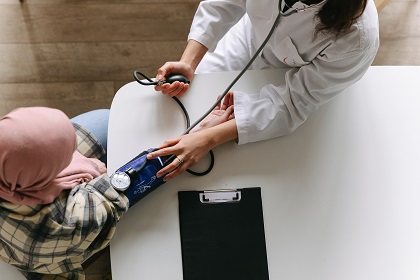
Are Cancer Patients Really More Prone to Hypertension?
In recent years, with the rapid advancement of cancer treatment concepts and technologies, both the survival time and quality of life of cancer patients have significantly improved. Many patients with advanced cancer today do not die directly from tumor recurrence. In fact, studies have shown that cardiovascular diseases have become the second leading cause of long-term mortality among cancer survivors.[1-4]So what is the connection between cancer and hypertension? Can cancer treatment cause high blood pressure? And how should patients with both cancer and hypertension manage their health effectively?The Link Between Cancer and HypertensionAccording to the 2016 Position Paper of the European Society of Cardiology (ESC) on Cancer Treatments and Cardiovascular Toxicity and the Consensus Document on Onco-Cardiology Clinical Management from Italy, there is a close relationship between cancer, its treatments, and hypertension. These findings have provided important references for the standardized prevention and management of cardiovascular toxicity during cancer therapy, aiming to improve patients’ quality of life.[5]Over the past decade, increasing evidence suggests that cancer patients and survivors face a higher risk of developing hypertension compared to the general population.This can be explained by two main factors: Firstly, the tumor itself may cause hypertension. Certain tumors, such as pheochromocytomas or adrenal cortical adenomas, can secrete hormones that elevate blood pressure. In addition, cancer-induced cachexia, hypercoagulability, or renal vascular thrombosis can also contribute to hypertension. Moreover, targeted therapies can trigger hypertension as a side effect. Targeted anti-tumor drugs, while offering strong and selective anti-cancer effects, may lead to adverse reactions including hypertension, skin rash, allergic responses, and cardiac or hepatic toxicity. Among these, hypertension is one of the most common treatment-related side effects.Which Cancer Treatments Are More Likely to Cause Hypertension?Not all cancer treatments cause high blood pressure. In most cases, blood pressure changes in cancer patients are associated with targeted therapies. Clinical research, including a study published by Sica DA in the Journal of Clinical Oncology, revealed that targeted agents, especially anti-angiogenic therapies, may lead to transient or persistent hypertension.[6] There are two notable characteristics: 1. Anti-angiogenic therapies may elevate blood pressure while inhibiting tumor growth.These drugs normalize existing tumor vessels and inhibit the formation of new ones, effectively starving tumors of their blood supply. However, managing treatment-induced hypertension is essential to ensure therapeutic benefit. 2. Different anti-angiogenic drugs cause varying degrees of blood pressure elevation.In clinical cancer treatment, the incidence and severity of hypertension caused by different anti-angiogenic targeted drugs can vary. Even within the same drug class, the likelihood of developing hypertension is not the same. For example, among tyrosine kinase inhibitors (TKIs), ponatinib has a hypertension incidence rate of over 50%, while pazopanib, axitinib, regorafenib, and cabozantinib range from 31% to 40%. Sunitinib and sorafenib fall between 21% and 30%. In contrast, among monoclonal antibody drugs, bevacizumab has an incidence rate of 21%–30%, while cetuximab and ramucirumab range from 11% to 20%. These differences may be related to various factors, including the mechanisms of the anti-cancer drugs, dosage or treatment regimens, tumor types being treated, age of the patients, and history of hypertension.Managing Hypertension in Cancer PatientsCancer-related hypertension can increase the risk of coronary artery disease, stroke, heart failure, and chronic kidney disease, and may even interrupt ongoing cancer treatments. Therefore, early detection and proactive management of blood pressure are essential.[7]1. Early Intervention and Strict Blood Pressure ControlFor hypertension caused by the cancer itself, treatment is similar to that for essential hypertension—aimed at reducing cardiovascular risks and mortality. At Jiahui International Cancer Center, oncologists develop individualized blood pressure management plans following international clinical guidelines, ensuring continuous blood pressure control throughout cancer therapy.2. Targeted Therapy-Related Hypertension: Continuous Assessment and MonitoringFor patients receiving targeted therapy, physicians will assess cardiovascular risk factors, organ damage, and overall health status.Early and strict blood pressure management helps prevent damage to vital organs (heart, brain, kidneys) and reduces the likelihood of hypertension-induced treatment interruptions. Jiahui International provides international-standard monitoring and safety management for patients undergoing targeted therapy, ensuring safe and comprehensive care.3. Regular Blood Pressure Monitoring Before, During, and After TreatmentPatients with normal blood pressure should self-monitor for at least one week before starting targeted therapy.Those with pre-existing hypertension should undergo closer monitoring throughout treatment.Patients with heart or cerebrovascular disease should maintain stricter blood pressure targets.4. Kidney function assessment is especially crucial for patients with renal cancer receiving anti-angiogenic therapies, as hypertension often develops within the first 8 weeks of treatment.Cancer patients should not be overly anxious about hypertension. By maintaining regular monitoring, adopting a healthy lifestyle—balanced diet, no smoking or alcohol, weight control, proper exercise, and positive mindset—and following medical advice closely, blood pressure can be effectively managed. With professional guidance, science-based treatment, and timely follow-up, cancer patients can face hypertension calmly and confidently, ensuring both safety and quality of life during their cancer journey.References:[1] Totzeck M, et al. Int J Cardiol. 2019;280:163–175.[2] Bodai BI, Tuso P. Perm J. 2015;19(2):48–79.[3] Siegel RL, Miller KD, Jemal A. CA Cancer J Clin. 2015;65(1):5–29.[4] Jovenaux L, et al. Int J Cardiol. 2017;241:387–392.[5] Zheng ZP, Zhang W, Li CC. Chinese Journal of Gerontology, 2021, 41(9): 4146–4149.[6] Sica DA. J Clin Oncol. 2006;24(9):1329–1331.[7] Huang YT, Yu ZQ. Chinese Journal of Hypertension. 2021;29(8):723–727.Know more
Living Without Cancer Pain: Three Common Pain Management Methods
Cancer pain is one of the major challenges faced by most cancer patients. It can significantly impair quality of life, and actively managing cancer pain not only improves day-to-day comfort but may also prolong survival. With advances in technology and medicine, awareness of proactive cancer pain management is increasing, and more innovative treatments are continually emerging.Intrathecal Drug Delivery System — Targeted Central Nervous System Pain ControlThe Intrathecal Drug Delivery System (ITDD) involves implanting a drug infusion pump under the skin that delivers medication directly and continuously into the subarachnoid space (located in the spine and skull). The drugs circulate in the cerebrospinal fluid (CSF) and act on spinal cord receptors to achieve pain relief.Since Wang et al. first used morphine intrathecally in 1979, ITDD has become widely recognized worldwide for managing chronic, refractory pain. In China, refractory cancer pain is the main clinical application. Patient reports show that after ITDD treatment, pain scores decrease, and 87% of patients rate their quality of life from fair to excellent.[1]Advantages of intrathecal over oral administration include: ꔷ Lower doses required — only about 1/300 of the oral dose achieves the same analgesic effect.[1] ꔷ Direct drug delivery to CSF allows targeted action and blocks pain signal transmission. ꔷ Minimal systemic exposure, reducing overall drug concentration in the blood. ꔷ Continuous pain relief and management of breakthrough pain.[2] ꔷ Reduced side effects such as constipation and drowsiness for most patients.[2]If a clinician determines that ITDD is appropriate, the treatment involves five main steps: 1. Preoperative assessment (Evaluate pain symptoms and psychological status) 2. Drug trial (Test efficacy and determine whether implantation is suitable) 3. Surgical implantation (minimally invasive) The pump and catheter are implanted subcutaneously, with the catheter tip placed in the subarachnoid space and the pump in the abdominal or gluteal region. Because the medication is delivered directly to central pain receptors, very small doses can achieve the effect of high-dose oral morphine. 4. Postoperative pain management adjustment Clinicians gradually adjust daily infusion doses and breakthrough pain doses, while tapering off oral or peripheral analgesics to achieve optimal pain control. 5. Follow-up and monitoring (The pump medication is typically replaced every 3–6 months)Initial recovery may take 6–8 weeks, with some discomfort and activity limitations. Patients can gradually resume low-intensity activities like walking, cycling, or watching sports.Modern ITDD pumps allow precise control of dose and infusion rate, increasing patient safety. Techniques such as microdosing and personal therapy managers (PTM) help delay tolerance, reduce total opioid consumption, and minimize adverse effects, improving pain control and patient satisfaction. Evidence also suggests that intrathecal therapy can improve prognosis, and it remains a cornerstone in managing chronic pain syndromes.[3]Indications: Patients who cannot tolerate traditional pain therapy due to toxicity or inadequate analgesic effect; severe side effects such as nausea, vomiting, constipation, drowsiness, respiratory depression, urinary retention, itching, or dizziness; refractory pain after WHO three-step therapy; severe breakthrough pain not well controlled by medication.Anesthesia: General anesthesiaSurgery duration: 1–2 hoursHospitalization: 4–6 days (dose titration until optimal analgesia is achieved)Possible adverse effects: Itching, headache, peripheral edema, tolerance, myoclonus, catheter tip granulomaThe advent of minimally invasive interventional techniques has brought new hope for managing pain in cancer patients and is regarded as the “fourth step” in cancer pain treatment. So, what exactly is the WHO three-step analgesic ladder for cancer pain, and what other pain management methods are available in clinical practice?Traditional Therapy — WHO Three-Step Analgesic LadderIn 1986, the World Health Organization (WHO) introduced the cancer pain three-step ladder: Non-opioid analgesics, Weak opioids, Strong opioids. WHO guidelines recommend oral administration first[4] due to convenience, minimal pain, and stable blood drug concentrations. Other routes like intramuscular, subcutaneous, or intravenous administration can be more invasive, carry infection risks, and cause discomfort.Indications: Pain caused directly by tumor or cancer diagnosis and treatment, covering mild, moderate, and severe cancer pain.Possible side effects: Constipation, nausea, vomiting, drowsiness, itching, dizziness, urinary retention, delirium, cognitive impairment, respiratory depression.Radiotherapy — Effective for Bone Metastasis PainBone is one of the most common metastatic sites for malignant tumors. Most patients with bone metastases experience severe pain, initially intermittent and later persistent, often worse at night or after physical exertion, sometimes with hyperalgesia. Radiotherapy is an important treatment for localized pain caused by bone metastases. It suppresses or kills tumor cells, prevents bone destruction, enhances osteoblast activity, and promotes collagen synthesis for new bone formation. As a local therapy, it causes minimal damage to surrounding organs[5].Indications: Pain from bone metastases or soft tissue infiltration[6]Side effects: Generally minimalCancer pain management in China is developing rapidly, with growing awareness encouraging patients to speak openly about their pain and seek individualized treatment. The ultimate goal of pain management is not simply to lower pain scores but to restore a tolerable and comfortable quality of life — helping patients sleep well, maintain appetite, and participate actively in social activities, ultimately aiding recovery.We hope this guide on cancer pain management will be helpful to patients and caregivers.References:[1] Deer T, Chapple I, Classen A, et al. Intrathecal drug delivery for treatment of chronic low back pain: report from the National Outcomes Registry for Low Back Pain. Pain Med. 2004;5:6-13.[2] Smith TJ, Staats PS, Deer T, et al. Randomized clinical trial of an implantable drug delivery system compared with comprehensive medical management for refractory cancer pain: impact on pain, drug-related toxicity, and survival. J Clin Oncol. 2002;20:4040-4049.[3] Zhang JH, Lin L, Deng S. New “four-step” model for cancer pain management. Practical Pain Medicine, 2019, 15(4):250-252.[4] WHO. Guidelines for the Pharmacological and Radiotherapeutic Management of Cancer Pain in Adults and Adolescents. Geneva: WHO, 2018. PMID: 30776210.[5] Arantzamendi M, Belar A, Payne S, et al. Clinical Aspects of Palliative Sedation in Prospective Studies: A Systematic Review. J Pain Symptom Manage. 2021;61(4):831-844.e10.[6] Williams GR, Manjunath SH, Butala AA, et al. Palliative Radiotherapy for Advanced Cancers: Indications and Outcomes. Surg Oncol Clin N Am. 2021;30(3):563-580.Know more
Cancer Is Affecting Younger People: How Should Young Adults Respond?
We often associate “old age” with illness, death, and dependence, while “youth” symbolizes health, vitality, and optimism. Yet, when cancer strikes the young, it always comes as a shock. August 12 marks International Youth Day, an annual event initiated by the United Nations to raise awareness of youth-related issues worldwide. Today, let’s turn our attention to a group that is often overlooked — young people living with cancer.Cancer Does Not “Only Target” the ElderlyIn recent years, we’ve seen more and more news reports about young celebrities losing their lives to cancer. Has cancer really become a disease of the young?According to a study published in CA: A Cancer Journal for Clinicians[1], the incidence of cancer among young people aged 15–39 increased steadily between 2007 and 2016. In the past, youth was often considered a “low-risk” group. That perception began to change in 2006, when the U.S. National Cancer Institute (NCI) released the first detailed report on cancer incidence and prognosis among young adults. The results showed that cancer had become the leading cause of death in this age group.Although the majority of cancer cases still occur in older adults, this downward age trend is now undeniable — and alarming.The Sense of Helplessness Among Young Cancer PatientsFor anyone, accepting a cancer diagnosis is never easy — and it can be especially devastating for young people who are just entering the prime of their lives.Young adults often have a strong desire for social recognition — to prove themselves at work, in their families, and in society. Unfortunately, a cancer diagnosis can suddenly derail these ambitions. The shock of the diagnosis, confusion among loved ones, financial burdens, and social stigma can leave young cancer patients feeling lost, isolated, and under enormous psychological pressure.When stress and anxiety become overwhelming, it’s important to seek professional help from psychologists or psychiatrists. Proper psychological intervention can help relieve cancer-related emotional distress and reduce fear caused by a lack of understanding about the disease. With timely, targeted, and professional mental support, patients are more likely to face treatment with optimism and resilience[2].It’s also crucial to remember: getting cancer is not the patient’s fault. We should reject the stigma surrounding young people with cancer. As a society, we must all say “no” to discrimination and offer empathy and understanding instead.Cancer Prevention Starts with Small ChangesSome cancers are closely linked to genetic factors. However, for many others, modern lifestyle habits play a major role. From a medical perspective, prevention and early detection are key. Doctors always emphasize “prevention first” and the importance of early screening and early treatment — because in the fight against cancer, time matters.Make prevention part of your routine. Turn annual health check-ups into a regular habit. By doing so, you protect both yourself and the people who care about you.Here are a few time-tested but important reminders for cancer prevention:Maintain a Healthy Weight and Stay ActiveResearch shows that obesity is associated with multiple health risks, and both overweight and obesity are well-established cancer risk factors. Reducing body fat can lower the risk of several cancers — including cancers of the gastric cardia, liver, gallbladder, pancreas, ovaries, and thyroid, as well as multiple myeloma and meningioma[3]. Adopting a healthy lifestyle — through regular physical activity and limiting high-calorie foods — can effectively reduce excess weight and lower the risk of developing cancer.Say “No” to Tobacco and AlcoholAccording to the Chinese Center for Disease Control and Prevention, all forms of tobacco exposure — whether firsthand smoke, secondhand smoke, or thirdhand smoke (residual particles that cling to clothing, carpets, and even skin and hair) — can harm the respiratory, nervous, and circulatory systems. Meanwhile, alcohol has long been classified by the World Health Organization as a Group 1 carcinogen. Any amount of alcohol consumption increases cancer risk, regardless of the type of beverage[4].Regular Screenings: Early Detection Saves LivesWhy do people still fear cancer so much? One key reason is that many cancers show few or no symptoms in their early stages. By the time most patients seek medical attention, the disease is already at an advanced stage, missing the optimal window for treatment. The World Health Organization (WHO) estimates that 30%–50% of cancers are preventable — including breast, lung, and cervical cancers. Thanks to modern research and technological advances, more common cancers can now be detected early through screening. Early detection greatly improves survival rates, reduces financial burdens, and helps patients maintain a better quality of life.References[1] Miller KD, Fidler-Benaoudia M, Keegan TH, Hipp HS, Jemal A, Siegel RL. Cancer statistics for adolescents and young adults, 2020. CA Cancer J Clin. 2020 Nov;70(6):443-459. doi:10.3322/caac.21637.[2] Guo Ruimin, Li Ning. Meta-analysis on the Effect of Psychological Intervention on the Mental State and Quality of Life of Patients with Malignant Tumors. Chinese Journal of Clinical Oncology and Rehabilitation, 2020, 27(09):46-50.[3] Body Fatness and Cancer — Viewpoint of the IARC Working Group. N Engl J Med. 2016;375(8):794–798.[4] McKnight-Eily LR, Henley SJ, Green PP, Odom EC, Hungerford DW. Alcohol Screening and Brief Intervention: A Potential Role in Cancer Prevention for Young Adults. Am J Prev Med. 2017;53(3S1):S55–S62.Know more
What You Need to Know About Cancer Treatment: Nutrition, Hair loss, Oral Care……
Anticancer drugs work by disrupting the growth of tumor cells and can be administered in different ways. To ensure the effectiveness and safety of your treatment, please inform your nurse and doctor about any over-the-counter medications, dietary supplements, or complementary therapies you are currently using — as these may affect your cancer treatment. Make sure you know the name of your anticancer medication, or ask your care team for the detailed medication guide related to your treatment.Regardless of the treatment method you receive, the following guidance can help you take better care of yourself during therapy.Nutrition● Eat small, frequent meals throughout the day — for example, six small meals instead of three large ones.● Chew food slowly and eat at a relaxed pace.● Unless you have severe kidney problems, include protein in every meal. Protein helps maintain strength during treatment. Good sources include chicken, turkey, soy products, beans, fish, cheese, eggs, and dairy products.● Drink small amounts of fluids frequently during the day, but avoid drinking large volumes during meals to prevent bloating.● Try to consume at least 240 ml of fluids daily, such as water, juices (apple or cranberry), milk, soups, yogurt, gelatin, or popsicles.Hair Loss● Some anticancer drugs may cause temporary hair thinning or hair loss. Ask your care team whether your treatment includes such medications.● If needed, consult your healthcare provider for guidance on selecting a suitable wig.Infection Prevention● When your white blood cell or neutrophil count is low, avoid crowds and people with contagious illnesses such as colds or the flu.● Bathe daily to keep your body clean, unless you have open wounds.● Wash your hands frequently, especially after using the restroom.Nausea Prevention● Your doctor may prescribe anti-nausea medications. Take them exactly as directed, and contact your healthcare team if problems persist.● Eat foods that are cool or at room temperature (some specific drugs may require avoiding cold foods—consult your care team).● Avoid foods with strong odors; cooler foods usually have milder smells.● Some people find fatty, fried, spicy, or acidic foods unpleasant during treatment — but if you normally tolerate them well, you may continue eating them.Sun Exposure● Avoid direct sunlight as anticancer drugs can make your skin more sensitive.● If you must go outdoors, use a broad-spectrum sunscreen with an SPF of at least 30. Reapply every 2 hours, and immediately after swimming, sweating, or towel-drying.● Wear protective clothing, such as a wide-brimmed hat to protect your scalp, face, and ears.Sexual Activity and Fertility● Maintaining intimacy is important for emotional well-being, but both men and women should use contraception during anticancer treatment.● Menstrual irregularities or even temporary amenorrhea may occur, but this does not mean pregnancy is impossible.● For several days after completing treatment, use condoms to protect your partner, as traces of anticancer drugs may remain in body fluids. Ask your care team for drug-specific guidance.● Anticancer therapy may temporarily or permanently affect fertility. If you have concerns, discuss options with your doctor before starting treatment.Fatigue● Pace yourself. Prioritize important tasks and take short naps when needed.● Stay active. Gentle exercise can help boost energy and improve mood.● For persistent cancer-related fatigue, consult your care team for tailored advice.Oral Care● Brush your teeth after every meal and before bedtime using a soft toothbrush.● Use dental floss gently. If your platelet count is low, or if you experience bleeding gums or clotting problems, inform your care team immediately.● Rinse your mouth often with warm salt water or baking soda solution (add one toothpaste-cap amount, about 3 g, of salt or baking soda to 240 ml of water).● You may also use other non-alcohol mouth rinses.● Keep lips moisturized with lip balm.● If your mouth feels dry, try artificial saliva sprays or simply rinse with water frequently.● Avoid wearing dentures or braces when your mouth is sore, and clean them thoroughly after meals.● Always consult your care team before any dental procedures.Seek medical attention if you experience any of the following persistent or severe symptoms that do not improve with prescribed medication:● Fever above 38.5°C (101.3°F)● Chills● Unexplained bleeding or bruising● Sore throat or difficulty swallowing● Mouth or lip ulcers that interfere with eating● Persistent dizziness● Urination problems (pain, burning, urgency, frequency, incomplete emptying)● Flu-like symptoms (fever, runny nose, body aches)● Extreme fatigue or weakness● Persistent cough or shortness of breath● Anxiety, irritability, or depression● Rapid heartbeat or palpitations● Uncontrolled nausea, vomiting, diarrhea, or constipation● New swelling of the face or limbs● Any unusual or unexplained painDuring your anticancer treatment, being well-informed about your therapy and potential side effects can make a big difference. For detailed information about your specific treatment, maintain close communication with your primary physician and care team. Every patient’s situation is unique — at Jiahui Health, our medical team will provide personalized, appropriate care plans to help you face and fight cancer with confidence.We hope this information is helpful to you.Know more
The Right Way for Cancer Patients to Exercise
August 8 marks National Fitness Day in China — a date established to commemorate the successful hosting of the Beijing Olympics, and to encourage the public to engage in regular physical activity and fitness.But what about those who are physically weaker — cancer patients and survivors? Are they suitable for exercise? How can they stay active while ensuring safety? Here are five key questions to help you understand how to exercise safely and effectively without harming your body.Q1: Can exercise during cancer treatment help reduce treatment side effects?According to the ASCO Guideline on Exercise, Diet, and Weight Management During Cancer Treatment, engaging in aerobic and resistance exercises (such as barbell curls, sit-ups, squats, and single-arm dumbbell lifts) during active cancer treatment can help reduce treatment-related side effects, such as fatigue and loss of appetite. Exercise interventions during treatment have also been shown to improve cardiovascular and muscle function, maintain physical strength, and, in some patients, reduce anxiety and depression.Moreover, studies show that exercise during treatment is associated with a lower risk of adverse events (such as allergic reactions). For instance, lung cancer patients who perform preoperative exercise training before surgery may experience shorter hospital stays and fewer postoperative complications.[1]Q2: Is weight management important for cancer patients?A study published in CA: A Cancer Journal for Clinicians found strong evidence of a causal link between overweight or obesity and 13 types of cancer, including postmenopausal breast cancer, colorectal cancer, kidney cancer, liver cancer, esophageal adenocarcinoma, ovarian cancer, pancreatic cancer, gastric cardia cancer, thyroid cancer, endometrial cancer, meningioma, multiple myeloma, and gallbladder cancer.[2]Many cancer patients are already facing weight issues at the time of diagnosis. Being overweight or obese not only increases the risk of various cancers but is also associated with higher rates of cardiovascular disease and diabetes. Abdominal obesity, in particular, poses even greater risks. Maintaining a healthy body weight (BMI 18.5–24 kg/m²) can help lower the risk of multiple diseases.Effective weight management requires balancing diet and physical activity — or, as people often say, “eat smart and move more.” Limit high-calorie foods, and engage in regular exercise to burn energy. However, since cancer patients need to maintain adequate physical strength to tolerate treatment, overexercising is not advisable. Both being “too heavy” and “too thin” are undesirable — the goal is to maintain a healthy weight. If a patient experiences sudden weight gain or loss, they should contact their primary physician immediately to identify the cause.Q3: Should cancer patients continue exercising after treatment?Whether cancer survivors can safely resume exercise after treatment depends on their individual condition and recovery progress.Exercise may be recommended if:The patient’s overall fitness and recovery are relatively good. In such cases, engaging in low-intensity physical activity can promote further recovery and improve well-being.Exercise should be avoided if:The patient is experiencing severe anemia, fatigue, or has unhealed surgical wounds. In these situations, exercise may do more harm than good and slow recovery. Instead, gentle stretching or light limb movements can help maintain energy and circulation without putting stress on the body.Q4: What factors should cancer patients consider when exercising?To minimize the risk of injury or complications, cancer patients should keep in mind two key principles:Exercise progressivelyExercise intensity should match the patient’s current physical condition. At first, begin with light activities such as walking or yoga. As recovery improves, patients can transition to moderate aerobic exercise such as brisk walking. However, if a patient has bone metastases, they must avoid high-impact or high-intensity movements to prevent fractures or other injuries.Exercise in moderationAlthough exercise has clear benefits for cancer patients, overexertion can be harmful. Prolonged or intense workouts may cause muscle strain or fatigue, adding unnecessary stress to the body. Before starting an exercise program, patients are advised to consult their doctor for a professional assessment and to develop a personalized exercise plan suited to their condition.Q5: How much exercise is appropriate for cancer patients?Cancer patients should include warm-up and stretching before and after exercise to prevent strain. At the beginning, keep sessions short — about 15–20 minutes each time — and gradually increase to around 30 minutes based on individual strength and tolerance.The best time for exercise is usually in the morning or afternoon. Avoid exercising right after meals or when hungry to prevent discomfort or dizziness.References:[1] Ligibel JA, Bohlke K, May AM, Clinton SK, Demark-Wahnefried W, Gilchrist SC, Irwin ML, Late M, Mansfield S, Marshall TF, Meyerhardt JA, Thomson CA, Wood WA, Alfano CM. Exercise, Diet, and Weight Management During Cancer Treatment: ASCO Guideline. J Clin Oncol. 2022 May 16; JCO2200687. doi:10.1200/JCO.22.00687.[2] Sung H, et al. Global Patterns in Excess Body Weight and the Associated Cancer Burden. CA: A Cancer Journal for Clinicians. 2018; DOI:10.3322/caac.21499.Know more
Tips for Preventing Common Cancers in Men
The third Sunday in June marks Father’s Day. Every father was once a young man — but as time passes, gray strands appear at the temples, and life leaves its marks on their faces. On this Father’s Day, we offer this guide on cancer prevention and health care to help the “most handsome man in the world” learn a little more about protecting his own well-being.Three Common Cancers That Middle-Aged Men Should Watch Out ForAccording to the National Cancer Center Journal’s 2022 National Cancer Statistics Report, the incidence of cancer among Chinese men continues to rise.[1]Here are three major cancers that have affected countless fathers and their families. Are there early symptoms? Can they be prevented? And once diagnosed, how should they be treated?Lung Cancer: One of the Most Common Cancers in MenLung cancer has the highest incidence and mortality rate of all malignancies worldwide. It is also the most common cancer among men, accounting for about 24.6% of all new cancer cases.[1] In its early stages, lung cancer often causes no noticeable symptoms. When cough, hemoptysis (coughing up blood), fever, or chest discomfort appear, it’s time to pay serious attention to lung health. The WHO’s 2020 World Cancer Report recommends that people at high risk—particularly those over 50 years old with known risk factors—undergo annual low-dose spiral CT scans for early detection of lung cancer.Liver Cancer: A Major Health Threat for Chinese FathersIn 2018, China accounted for nearly half of all new liver cancer cases and deaths worldwide, with a five-year survival rate of only 12.1%.[2] China is, by all accounts, a country with a high burden of liver cancer. Early-stage liver cancer usually causes no obvious symptoms, though some patients may experience loss of appetite, bloating, nausea, vomiting, or diarrhea—symptoms that are often nonspecific. Unfortunately, by the time clear discomfort occurs, the disease is often already in its middle or late stages. Early detection typically relies on abdominal ultrasound combined with AFP (alpha-fetoprotein) testing. Early detection and accurate diagnosis are crucial for effective treatment. Today, treatment options include surgery, liver transplantation, interventional therapy, targeted therapy, chemotherapy, and radiotherapy.Prostate Cancer: Closely Tied to “Men’s Dignity”The incidence of prostate cancer increases with age, with 80% of cases occurring in men over 65. It has become one of the major causes of cancer-related death in men.[3] As a cancer involving a private male organ, prostate cancer is often associated with the idea of “male dignity.” Early-stage prostate cancer is usually symptomless, but as it progresses, it can cause difficulty urinating, increased nighttime urination, urinary incontinence, blood in the urine, and erectile dysfunction, leading to both physical and psychological distress. According to the Chinese Expert Consensus on Prostate Cancer Screening (2021 Edition) issued by the Chinese Anti-Cancer Association, men are advised to undergo regular PSA (prostate-specific antigen) testing, especially those at high risk: • Men over 50 years old • Men over 45 with a family history of prostate cancer • Men over 40 with PSA > 1 μg/L • Men over 40 carrying BRCA2 mutationsEveryday Habits That Can Help Fathers Stay Away from CancerWe often remind fathers with beer bellies to eat less, urge those who smoke to quit, and encourage those who sit in offices all day to take a walk. Indeed, healthy lifestyle habits are vital—not only for maintaining physical and mental well-being, but also for preventing cancer.Eat a Light, Balanced Diet — and Say No to Smoking and Alcohol!The well-known “Four Less” rule—less oil, less salt, less sugar, and less spice—doesn’t mean you have to live on plain porridge! The key is a balanced and varied diet that provides sufficient nutrients and trace elements while reducing unnecessary strain on the body. Many fathers drink alcohol for work-related social occasions, while others enjoy a drink in their free time. However, it’s important to note that 3.5% of cancers are linked to alcohol consumption, and the cancer risk associated with drinking continues to rise.[4] Even a single drink or cigarette is harmful. For your own health, it’s time to take action—quit smoking and drinking.Keep Sexual Life Safe and HygienicModern medical research suggests that moderate, healthy sexual activity may help reduce the risk of prostate cancer. Conversely, prolonged retention of semen without release can lead to concentration and saturation, which may irritate prostate epithelial cells and increase cancer risk.[5] However, patients already diagnosed with prostate cancer should avoid sexual activity, as it may cause painful ejaculation, blood in semen or urine, and other complications. After treatment, sexual dysfunction or urinary incontinence may occur, affecting the quality of sexual life.Regular Health Checkups MatterWhy do people fear cancer so much? One key reason is that most cancers show no obvious symptoms in the early stages, and by the time patients seek medical attention, the disease is often already advanced—missing the optimal window for treatment. Many fathers avoid checkups because they feel fine and would rather not “look for trouble.” They worry that finding something wrong will bring stress or inconvenience. However, both Chinese and international medical experts now agree that early cancer screening is one of the most effective ways to achieve early detection, diagnosis, and treatment. Detecting a disease while it is still in its early, manageable stage can not only extend life expectancy but also improve long-term quality of life.In the book Illness as Metaphor, Susan Sontag wrote: “To treat cancer not just as a disease but as a demonic enemy fosters the idea that it is not only incurable, but also shameful.” Fathers often hide their true selves behind a quiet and reserved exterior. The pressures of life and family responsibilities lead many to ignore or avoid facing their own health issues—sometimes missing the chance for early treatment. At Jiahui International, we remain committed to walking alongside our patients as advocates of compassionate care. On this Father’s Day, we wish all fathers happiness and good health. We also encourage every dad to learn more about cancer prevention, undergo regular targeted screenings, maintain healthy habits, and stay attentive to changes in their bodies—because prevention is the best protection.References:[1] Cancer Incidence and Mortality in China, 2016[2] Global Cancer Report 2018, International Agency for Research on Cancer (IARC)[3] NCCN Guidelines 2019, Version 1 — Prostate Cancer Early Detection, MS-12[4] Erdao. Alcohol and Cancer: More Dangerous Than You Think. Family Science, 2016(6):1.[5] Rider JR, Wilson KM, Sinnott JA, Kelly RS, Mucci LA, Giovannucci EL. Ejaculation Frequency and Risk of Prostate Cancer: Updated Results with an Additional Decade of Follow-up. Eur Urol. 2016 Dec;70(6):974–982. doi:10.1016/j.eururo.2016.03.027Know more


